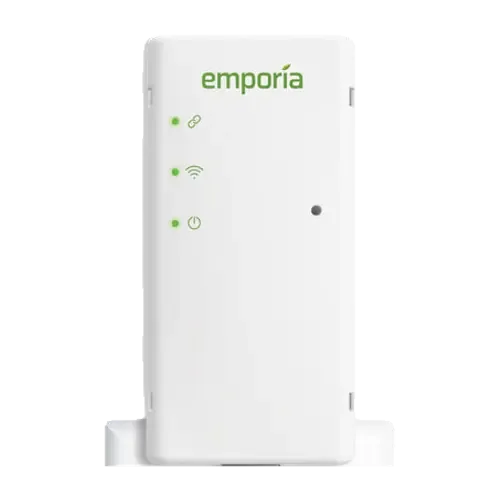
Option 1 · Emporia
Emporia Vue Utility Connect
Catalog update date not recorded
View full device profile
The Smart Device Compare comparison
Understand the differences. Decide what matters to your home.
Build another comparison →Before you compare every specification
A summary of selected recorded differences between these energy monitors. Check the full specification table below for details and conditions.
These observations are derived from recorded catalog data and have not all been independently verified. Confirm details with the manufacturer before purchasing.
Compare capabilities, compatibility and setup requirements.
Option 1 · Emporia
Catalog update date not recorded
View full device profile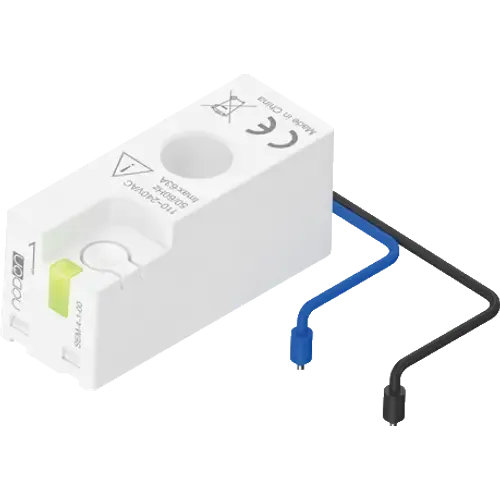
What the catalog tells us
These counts describe the available data, not a quality score. More features do not automatically make a better device.
Your priorities, side by side
Mark the specifications you care about. Open manufacturer sources for verification scope; fields without citations remain catalog data. Expand notes for other qualifications.
Showing 39 of 39 rows. “Not recorded” does not mean “No”.
802.11 b/g/n
The 2.4 GHz radio is Zigbee (IEEE 802.15.4), not Wi-Fi
Zigbee HAN link to the utility meter, not to a home Zigbee network
Zigbee 3.0 certified, 2.4 GHz, maximum radio power +10 dBm, so it joins an existing Zigbee network and needs a compatible coordinator or gateway | NodOn lists Home Assistant, SmartThings, Jeedom and Zigbee2MQTT as compatible gateways for this model
Not a native NodOn feature. Exporting the readings is a function of the home automation platform.
1 second data 3 hours, 1 minute data 7 days, 1 hour data indefinitely
The meter keeps no history of its own beyond its cumulative energy registers, and NodOn ships no app: retention is whatever the host gateway or Home Assistant keeps
Not a native NodOn feature. Any cost figure is calculated by the home automation platform from the readings.
NodOn advertises real-time monitoring of voltage, current, power and energy but publishes no reporting interval for this model
Not a native NodOn feature. Time-of-use pricing is a function of the home automation platform.
Not a native NodOn feature. Usage alerts are built in the home automation platform from the readings.
Through the compatible Zigbee gateway or Home Assistant, not on the device itself
Emporia states peak demand, load management and solar-only charging are not supported on this model
NodOn lists load shedding on overconsumption among the meter's uses, driven by its readings | The switching itself is done by the compatible gateway or home automation system, not by the meter, which has no relay
No switching output: the meter measures only and has no relay to cut a load
Plugs into an outlet near the meter, no electrician needed
Installed in-line inside the electrical panel on an existing circuit, next to the upstream protection device
One 17.8 mm wide DIN module that clips onto the standard 35 mm rail inside the switchboard
Zigbee HAN device that reads the utility's AMI smart meter, only in supported markets
Not compatible with Amazon Alexa.
Not compatible with Apple Home.
Not compatible with Google Home.
Community Emporia Vue integration for Home Assistant (HACS), which covers the Vue monitors and the Utility Connect
Zigbee2MQTT supports this exact model, the SEM-4-1-00, and exposes power, voltage, current, AC frequency, power factor, apparent power and both consumed and produced energy | NodOn also lists Home Assistant among the compatible gateways for this model | Works with Home Assistant through ZHA and through Zigbee2MQTT.
The radio is Zigbee 3.0 only, with no Matter certification or Matter path documented for this model
NodOn lists SmartThings among the compatible gateways for this model, so it pairs with a SmartThings hub as a standard Zigbee 3.0 device
A Zigbee end device with no IP stack and no documented serial interface, so there is nothing on the module itself to call directly; the data path belongs to whichever gateway hosts it
Nothing runs on the module itself: it is paired and configured from the Zigbee gateway, and it has only a status LED and a reset/pairing button
No native MQTT, though Zigbee2MQTT republishes the readings
Reads the utility's own AMI meter, so accuracy is the meter's
The stated energy-measurement tolerance is one percent.
NodOn Zigbee Smart Energy Monitor manufacturer product page →Document check only; not a hands-on test or verification of every regional or firmware variant.
Class 1.0 to IEC 61557-12, stated as a 1% tolerance, over a measurement range of 50 mA to 63 A and a base current of 10 A
Solar and net metering
Bidirectional measurement is specified.
NodOn Zigbee Smart Energy Monitor manufacturer product page →Document check only; not a hands-on test or verification of every regional or firmware variant.
Bidirectional measurement reports consumption and production separately, which is what makes solar self-consumption and export readable | Zigbee2MQTT exposes the consumed total as energy and the production side as produced_energy for this exact model
No current transformers, it reads the meter wirelessly
Inline measurement through the module's own terminals, with no current transformer involved
Rated up to 63 A directly on the circuit, without a current transformer
Whole-house totals from the utility meter, no per-circuit detail
The meter monitors one circuit.
NodOn Zigbee Smart Energy Monitor manufacturer product page →Document check only; not a hands-on test or verification of every regional or firmware variant.
One 1P+N circuit: the line is wired through the meter's own terminals and the neutral passes alongside, so it meters a single circuit up to 63 A
Reports voltage, current, active power, apparent power, power factor and AC frequency alongside the energy totals | Zigbee2MQTT exposes power_factor, power_apparent and ac_frequency for this exact model
Rated 110-240 V AC 50/60 Hz as a 1P+N single-phase meter, so a 120/240 V North American split-phase service with two hot legs is out of scope
Light commercial 3-phase service
| Specification | Emporia Vue Utility Connect | NodOn Zigbee Smart Energy Monitor |
|---|---|---|
| Connectivity | ||
YesCatalog note802.11 b/g/n | NoCatalog noteThe 2.4 GHz radio is Zigbee (IEEE 802.15.4), not Wi-Fi | |
| No | No | |
| No | No | |
| No | No | |
| No | No | |
| No | No | |
| No | No | |
YesCatalog noteZigbee HAN link to the utility meter, not to a home Zigbee network | Zigbee Hub requiredCatalog noteZigbee 3.0 certified, 2.4 GHz, maximum radio power +10 dBm, so it joins an existing Zigbee network and needs a compatible coordinator or gateway | NodOn lists Home Assistant, SmartThings, Jeedom and Zigbee2MQTT as compatible gateways for this model | |
| Data Monitoring | ||
| Yes | NoCatalog noteNot a native NodOn feature. Exporting the readings is a function of the home automation platform. | |
UnlimitedCatalog note1 second data 3 hours, 1 minute data 7 days, 1 hour data indefinitely | Not applicable / unspecifiedCatalog noteThe meter keeps no history of its own beyond its cumulative energy registers, and NodOn ships no app: retention is whatever the host gateway or Home Assistant keeps | |
| Yes | NoCatalog noteNot a native NodOn feature. Any cost figure is calculated by the home automation platform from the readings. | |
| 1 s | YesCatalog noteNodOn advertises real-time monitoring of voltage, current, power and energy but publishes no reporting interval for this model | |
| Yes | NoCatalog noteNot a native NodOn feature. Time-of-use pricing is a function of the home automation platform. | |
| Yes | NoCatalog noteNot a native NodOn feature. Usage alerts are built in the home automation platform from the readings. | |
| Features | ||
| No | YesCatalog noteThrough the compatible Zigbee gateway or Home Assistant, not on the device itself | |
NoCatalog noteEmporia states peak demand, load management and solar-only charging are not supported on this model | YesCatalog noteNodOn lists load shedding on overconsumption among the meter's uses, driven by its readings | The switching itself is done by the compatible gateway or home automation system, not by the meter, which has no relay | |
| No | NoCatalog noteNo switching output: the meter measures only and has no relay to cut a load | |
| Installation | ||
NoCatalog notePlugs into an outlet near the meter, no electrician needed | YesCatalog noteInstalled in-line inside the electrical panel on an existing circuit, next to the upstream protection device | |
| No | YesCatalog noteOne 17.8 mm wide DIN module that clips onto the standard 35 mm rail inside the switchboard | |
| Plug-in adapter | Mains (110-240 V) | |
YesCatalog noteZigbee HAN device that reads the utility's AMI smart meter, only in supported markets | No | |
| Integrations | ||
| Yes | NoCatalog noteNot compatible with Amazon Alexa. | |
| No | NoCatalog noteNot compatible with Apple Home. | |
| Yes | NoCatalog noteNot compatible with Google Home. | |
YesCatalog noteCommunity Emporia Vue integration for Home Assistant (HACS), which covers the Vue monitors and the Utility Connect | YesCatalog noteZigbee2MQTT supports this exact model, the SEM-4-1-00, and exposes power, voltage, current, AC frequency, power factor, apparent power and both consumed and produced energy | NodOn also lists Home Assistant among the compatible gateways for this model | Works with Home Assistant through ZHA and through Zigbee2MQTT. | |
| No | NoCatalog noteThe radio is Zigbee 3.0 only, with no Matter certification or Matter path documented for this model | |
| No | YesCatalog noteNodOn lists SmartThings among the compatible gateways for this model, so it pairs with a SmartThings hub as a standard Zigbee 3.0 device | |
| Local Control | ||
| No | NoCatalog noteA Zigbee end device with no IP stack and no documented serial interface, so there is nothing on the module itself to call directly; the data path belongs to whichever gateway hosts it | |
| No | NoCatalog noteNothing runs on the module itself: it is paired and configured from the Zigbee gateway, and it has only a status LED and a reset/pairing button | |
| No | NoCatalog noteNo native MQTT, though Zigbee2MQTT republishes the readings | |
| Metering | ||
Not applicable / unspecifiedCatalog noteReads the utility's own AMI meter, so accuracy is the meter's | ±1%Manufacturer sourceThe stated energy-measurement tolerance is one percent. NodOn Zigbee Smart Energy Monitor manufacturer product page →
Document check only; not a hands-on test or verification of every regional or firmware variant. Catalog noteClass 1.0 to IEC 61557-12, stated as a 1% tolerance, over a measurement range of 50 mA to 63 A and a base current of 10 A | |
YesCatalog noteSolar and net metering | YesManufacturer sourceBidirectional measurement is specified. NodOn Zigbee Smart Energy Monitor manufacturer product page →
Document check only; not a hands-on test or verification of every regional or firmware variant. Catalog noteBidirectional measurement reports consumption and production separately, which is what makes solar self-consumption and export readable | Zigbee2MQTT exposes the consumed total as energy and the production side as produced_energy for this exact model | |
| Not applicable / unspecified | Not applicable / unspecified | |
Not applicable / unspecifiedCatalog noteNo current transformers, it reads the meter wirelessly | Not applicable / unspecifiedCatalog noteInline measurement through the module's own terminals, with no current transformer involved | |
| Not applicable / unspecified | Not applicable / unspecifiedCatalog noteRated up to 63 A directly on the circuit, without a current transformer | |
1Catalog noteWhole-house totals from the utility meter, no per-circuit detail | 1Manufacturer sourceThe meter monitors one circuit. NodOn Zigbee Smart Energy Monitor manufacturer product page →
Document check only; not a hands-on test or verification of every regional or firmware variant. Catalog noteOne 1P+N circuit: the line is wired through the meter's own terminals and the neutral passes alongside, so it meters a single circuit up to 63 A | |
| No | YesCatalog noteReports voltage, current, active power, apparent power, power factor and AC frequency alongside the energy totals | Zigbee2MQTT exposes power_factor, power_apparent and ac_frequency for this exact model | |
| Yes | NoCatalog noteRated 110-240 V AC 50/60 Hz as a 1P+N single-phase meter, so a 120/240 V North American split-phase service with two hot legs is out of scope | |
YesCatalog noteLight commercial 3-phase service | No | |
The table matches specifications by section and field. It preserves notes, separates missing data from explicit “No” values, and keeps qualifications attached to their values. No overall winner is assigned from feature counts.
Read our comparison methodology