
The Smart Device Compare comparison
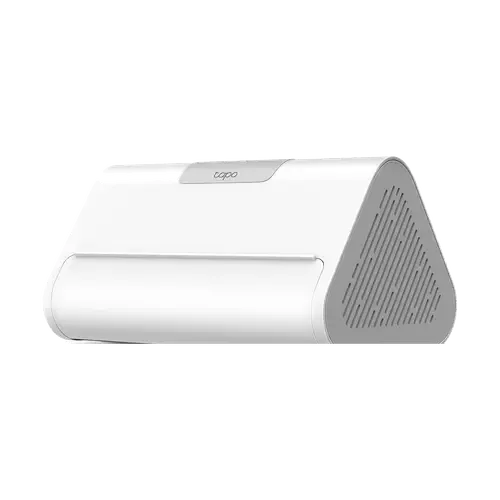
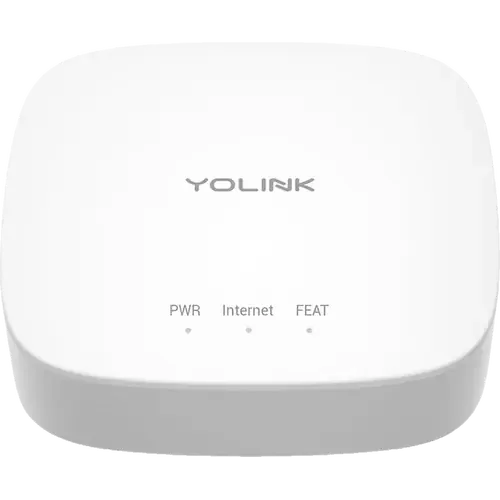
TP-Link Tapo H500 vs YoLink Hub
Understand the differences. Decide what matters to your home.
Build another comparison →Before you compare every specification
Key differences between TP-Link Tapo H500 and YoLink Hub
A summary of selected recorded differences between these hubs. Check the full specification table below for details and conditions.
Feature differences among your selected devices
- 5 GHz Wi-Fi (connectivity): TP-Link Tapo H500 — Yes (5 GHz band is used for the uplink to the router); YoLink Hub — No (YoLink support states the Hub does not support the 5 GHz Wi-Fi band).
- Microphone (hardware): TP-Link Tapo H500 — Yes (Two-way audio); YoLink Hub — No.
- Speakers (hardware): TP-Link Tapo H500 — Yes (110dB built-in siren that doubles as a chime for Tapo video doorbells); YoLink Hub — No (The datasheet lists only status LEDs; audible alerts are the job of the separate YoLink SpeakerHub).
- Apple Home (integrations): TP-Link Tapo H500 — Yes (Via the Matter bridge); YoLink Hub — No (YoLink's compatibility list for this Hub is Alexa, Google, IFTTT, Home Assistant and Raedius, with no Apple Home path; the Matter route belongs to the separate Local Hub (YS1606)).
Specifications to check side by side
- Subdevices (features): TP-Link Tapo H500 — 80 (Up to 16 Tapo cameras and video doorbells plus 64 Tapo Sub-G sensors, buttons and switches); YoLink Hub — 180 (YoLink support states there is no hard limit and that a single Hub carried 180 devices without issues in testing, recommending a second Hub between 100 and 200 devices).
- Third Party Devices (protocols): TP-Link Tapo H500 — Partially (Pairs Tapo cameras and Sub-G sensors, and acts as a Matter controller only for other brands' Matter plugs, bulbs and light strips; no Thread devices.); YoLink Hub — No (Hosts only YoLink LoRa devices; other brands reach YoLink only through cloud integrations (Alexa, Google, IFTTT, Home Assistant), never by pairing to the hub.).
Information still to confirm
- 4 of 31 comparison fields lack a resolved value for at least one selected device. Missing information is not evidence that a feature is absent.
- Check the full table and manufacturer documentation before ruling out a device.
These observations are derived from recorded catalog data and have not all been independently verified. Confirm details with the manufacturer before purchasing.
Compare capabilities, compatibility and setup requirements.
What the catalog tells us
Understand the tradeoffs.
These counts describe the available data, not a quality score. More features do not automatically make a better device.
8differences with recorded values for every device
4rows with missing or unspecified information
Consider your setup
Apple Home
- TP-Link Tapo H500Yes
- YoLink HubNo
Confirm which features appear in Apple Home and whether extra hardware or a subscription is needed for your intended use.
Inspect the specificationsYour priorities, side by side
Focus on what changes.
Mark the specifications you care about. Open manufacturer sources for verification scope; fields without citations remain catalog data. Expand notes for other qualifications.
Showing 31 of 31 rows. “Not recorded” does not mean “No”.
Connectivity
- TP-Link Tapo H500
- Yes
Catalog note
2.4 GHz band is used for the connection to Tapo cameras
- YoLink Hub
- Yes
Catalog note
Wi-Fi frequency 2412 to 2462 MHz, and the requirements list a router with 2.4 GHz Wi-Fi
- TP-Link Tapo H500
- Yes
Catalog note
5 GHz band is used for the uplink to the router
- YoLink Hub
- No
Catalog note
YoLink support states the Hub does not support the 5 GHz Wi-Fi band
- TP-Link Tapo H500
- Yes
Catalog note
1x 10/100 Mbps WAN port
- YoLink Hub
- Yes
Catalog note
RJ45 network connector on the rear, with an Ethernet patch cable in the box
Features
- TP-Link Tapo H500
- No
- YoLink Hub
- No
- TP-Link Tapo H500
- No
- YoLink Hub
- No
- TP-Link Tapo H500
- No
- YoLink Hub
- No
- TP-Link Tapo H500
- 80
Catalog note
Up to 16 Tapo cameras and video doorbells plus 64 Tapo Sub-G sensors, buttons and switches
- YoLink Hub
- 180
Catalog note
YoLink support states there is no hard limit and that a single Hub carried 180 devices without issues in testing, recommending a second Hub between 100 and 200 devices
- TP-Link Tapo H500
- No
- YoLink Hub
- No
Hardware
- TP-Link Tapo H500
- Not recorded
- YoLink Hub
- 32-bit RISC (Semtech LoRa YL09 module)
Catalog note
The official technical specs list a Semtech LoRa RF Module YL09 microcontroller with a 32-bit RISC processor
- TP-Link Tapo H500
- Not recorded
- YoLink Hub
- Not recorded
- TP-Link Tapo H500
- Yes
Catalog note
Two-way audio
- YoLink Hub
- No
- TP-Link Tapo H500
- No
Catalog note
Expansion is a 2.5-inch SATA bay rather than a microSD slot
- YoLink Hub
- No
Catalog note
The only connectors are the rear RJ45 network port and the Micro-USB B power input
- TP-Link Tapo H500
- No
Catalog note
Mains powered through a 12V 2A DC adapter
- YoLink Hub
- No
Catalog note
YoLink support states the current version of the Hub has no built-in PoE functionality, and suggests a PoE splitter with a MicroUSB connector as a workaround
- TP-Link Tapo H500
- Yes
Catalog note
110dB built-in siren that doubles as a chime for Tapo video doorbells
- YoLink Hub
- No
Catalog note
The datasheet lists only status LEDs; audible alerts are the job of the separate YoLink SpeakerHub
- TP-Link Tapo H500
- 16GB eMMC, expandable with one 2.5-inch SATA HDD or SSD up to 16TB
- YoLink Hub
- Not recorded
Integrations
- TP-Link Tapo H500
- Yes
Catalog note
Via the Matter bridge
- YoLink Hub
- Yes
Catalog note
The official product page lists Alexa among the compatible platforms
- TP-Link Tapo H500
- Yes
Catalog note
Via the Matter bridge
- YoLink Hub
- No
Catalog note
YoLink's compatibility list for this Hub is Alexa, Google, IFTTT, Home Assistant and Raedius, with no Apple Home path; the Matter route belongs to the separate Local Hub (YS1606)
- TP-Link Tapo H500
- Yes
Catalog note
Via the Matter bridge
- YoLink Hub
- Yes
Catalog note
YoLink support confirms the Hub can be integrated with Google Home, where the paired YoLink devices show up rather than the Hub itself
- TP-Link Tapo H500
- Not recorded
- YoLink Hub
- Yes
Catalog note
Home Assistant ships an official YoLink integration that is set up by adding the YoLink hub to the instance, and the product page lists Home Assistant among the compatible platforms
- TP-Link Tapo H500
- Yes
Catalog note
Via the Matter bridge
- YoLink Hub
- No
Catalog note
SmartThings is not on YoLink's compatibility list for this Hub, and the YS1603 is not a Matter device
Protocols
- TP-Link Tapo H500
- No
- YoLink Hub
- No
Catalog note
The technical specs list only two radios, LoRa at 923.3 MHz and Wi-Fi at 2412 to 2462 MHz
- TP-Link Tapo H500
- No
- YoLink Hub
- No
- TP-Link Tapo H500
- Yes
Catalog note
Acts as both a Matter controller and a Matter bridge, exposing its own Tapo devices to third-party Matter ecosystems, for the device types on TP-Link's compatibility list
- YoLink Hub
- No
Catalog note
Matter and a local API arrived with the separate YoLink Local Hub (YS1606); YoLink support states the YS1603 does not support local networks
- TP-Link Tapo H500
- Partially
Catalog note
Pairs Tapo cameras and Sub-G sensors, and acts as a Matter controller only for other brands' Matter plugs, bulbs and light strips; no Thread devices.
- YoLink Hub
- No
Catalog note
Hosts only YoLink LoRa devices; other brands reach YoLink only through cloud integrations (Alexa, Google, IFTTT, Home Assistant), never by pairing to the hub.
- TP-Link Tapo H500
- No
Catalog note
TP-Link states the H500 does not support Thread, so Matter devices that rely on Thread need a separate border router
- YoLink Hub
- No
- TP-Link Tapo H500
- No
- YoLink Hub
- No
- TP-Link Tapo H500
- No
Catalog note
Sensors connect over TP-Link's Sub-1 GHz radio (920.9, 921.7 and 922.3 MHz in the US), not Zigbee
- YoLink Hub
- No
Catalog note
The Hub hosts YoLink's own LoRa network at 923.3 MHz, not a Zigbee mesh
Sensors
- TP-Link Tapo H500
- No
- YoLink Hub
- No
- TP-Link Tapo H500
- No
- YoLink Hub
- No
- TP-Link Tapo H500
- No
- YoLink Hub
- No
- TP-Link Tapo H500
- No
- YoLink Hub
- No
| Specification | TP-Link Tapo H500 | YoLink Hub |
|---|---|---|
| Connectivity | ||
YesCatalog note2.4 GHz band is used for the connection to Tapo cameras | YesCatalog noteWi-Fi frequency 2412 to 2462 MHz, and the requirements list a router with 2.4 GHz Wi-Fi | |
YesCatalog note5 GHz band is used for the uplink to the router | NoCatalog noteYoLink support states the Hub does not support the 5 GHz Wi-Fi band | |
YesCatalog note1x 10/100 Mbps WAN port | YesCatalog noteRJ45 network connector on the rear, with an Ethernet patch cable in the box | |
| Features | ||
| No | No | |
| No | No | |
| No | No | |
80Catalog noteUp to 16 Tapo cameras and video doorbells plus 64 Tapo Sub-G sensors, buttons and switches | 180Catalog noteYoLink support states there is no hard limit and that a single Hub carried 180 devices without issues in testing, recommending a second Hub between 100 and 200 devices | |
| No | No | |
| Hardware | ||
| Not recorded | 32-bit RISC (Semtech LoRa YL09 module)Catalog noteThe official technical specs list a Semtech LoRa RF Module YL09 microcontroller with a 32-bit RISC processor | |
| Not recorded | Not recorded | |
YesCatalog noteTwo-way audio | No | |
NoCatalog noteExpansion is a 2.5-inch SATA bay rather than a microSD slot | NoCatalog noteThe only connectors are the rear RJ45 network port and the Micro-USB B power input | |
NoCatalog noteMains powered through a 12V 2A DC adapter | NoCatalog noteYoLink support states the current version of the Hub has no built-in PoE functionality, and suggests a PoE splitter with a MicroUSB connector as a workaround | |
YesCatalog note110dB built-in siren that doubles as a chime for Tapo video doorbells | NoCatalog noteThe datasheet lists only status LEDs; audible alerts are the job of the separate YoLink SpeakerHub | |
| 16GB eMMC, expandable with one 2.5-inch SATA HDD or SSD up to 16TB | Not recorded | |
| Integrations | ||
YesCatalog noteVia the Matter bridge | YesCatalog noteThe official product page lists Alexa among the compatible platforms | |
YesCatalog noteVia the Matter bridge | NoCatalog noteYoLink's compatibility list for this Hub is Alexa, Google, IFTTT, Home Assistant and Raedius, with no Apple Home path; the Matter route belongs to the separate Local Hub (YS1606) | |
YesCatalog noteVia the Matter bridge | YesCatalog noteYoLink support confirms the Hub can be integrated with Google Home, where the paired YoLink devices show up rather than the Hub itself | |
| Not recorded | YesCatalog noteHome Assistant ships an official YoLink integration that is set up by adding the YoLink hub to the instance, and the product page lists Home Assistant among the compatible platforms | |
YesCatalog noteVia the Matter bridge | NoCatalog noteSmartThings is not on YoLink's compatibility list for this Hub, and the YS1603 is not a Matter device | |
| Protocols | ||
| No | NoCatalog noteThe technical specs list only two radios, LoRa at 923.3 MHz and Wi-Fi at 2412 to 2462 MHz | |
| No | No | |
YesCatalog noteActs as both a Matter controller and a Matter bridge, exposing its own Tapo devices to third-party Matter ecosystems, for the device types on TP-Link's compatibility list | NoCatalog noteMatter and a local API arrived with the separate YoLink Local Hub (YS1606); YoLink support states the YS1603 does not support local networks | |
PartiallyCatalog notePairs Tapo cameras and Sub-G sensors, and acts as a Matter controller only for other brands' Matter plugs, bulbs and light strips; no Thread devices. | NoCatalog noteHosts only YoLink LoRa devices; other brands reach YoLink only through cloud integrations (Alexa, Google, IFTTT, Home Assistant), never by pairing to the hub. | |
NoCatalog noteTP-Link states the H500 does not support Thread, so Matter devices that rely on Thread need a separate border router | No | |
| No | No | |
NoCatalog noteSensors connect over TP-Link's Sub-1 GHz radio (920.9, 921.7 and 922.3 MHz in the US), not Zigbee | NoCatalog noteThe Hub hosts YoLink's own LoRa network at 923.3 MHz, not a Zigbee mesh | |
| Sensors | ||
| No | No | |
| No | No | |
| No | No | |
| No | No | |
Know what’s behind the comparison.
The table matches specifications by section and field. It preserves notes, separates missing data from explicit “No” values, and keeps qualifications attached to their values. No overall winner is assigned from feature counts.
Read our comparison methodology